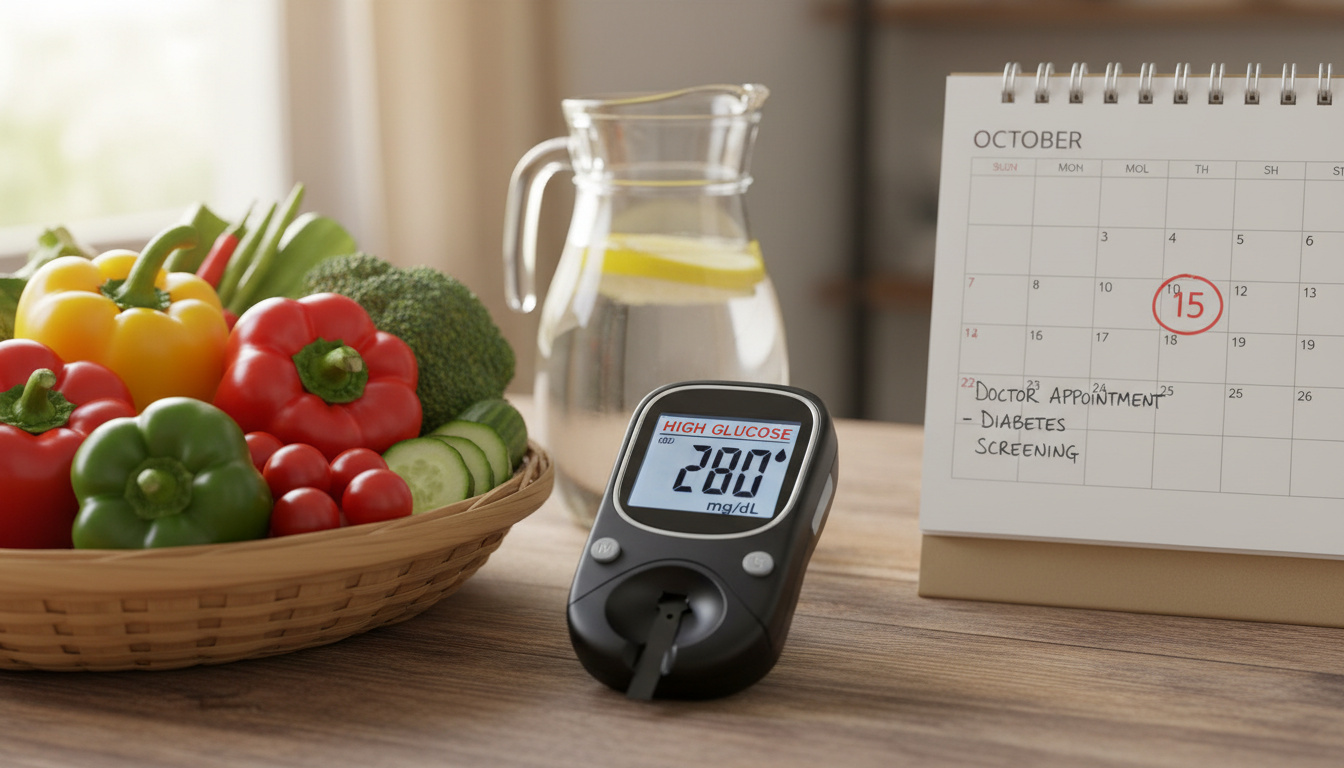

Type 2 diabetes often develops silently, with warning signs that emerge gradually over months or years. Many people live with elevated blood sugar levels without recognizing the physiological changes occurring in their bodies, allowing the condition to progress undetected.
The condition arises when cells become resistant to insulin or when the pancreas fails to produce enough of this hormone, leading to glucose accumulation in the bloodstream. Unlike acute illnesses, the symptoms frequently mimic everyday fatigue or aging, causing diagnostic delays that can extend for years according to the Mayo Clinic.
Recognizing the specific manifestations—ranging from excessive thirst to unexplained weight fluctuations—enables earlier intervention and reduces the risk of complications such as neuropathy or cardiovascular damage.
What Are the Main Symptoms of Type 2 Diabetes?
Polydipsia occurs as high blood sugar draws fluid from tissues, triggering dehydration.
Polyuria results when kidneys work to expel excess glucose, producing more urine.
Early-stage metabolism shifts cause the body to burn fat and muscle for energy.
Cells deprived of glucose create an energy deficit despite adequate food intake.
The presentation of type 2 diabetes varies significantly between individuals, but clinical observations reveal consistent patterns across populations. Key insights include:
- Symptoms typically develop gradually, allowing many to remain undiagnosed for extended periods.
- Excessive thirst and frequent urination form the most commonly reported early warning pair.
- Fatigue results from cellular insulin resistance preventing glucose absorption.
- Blurred vision indicates fluid level shifts affecting the eye lens.
- Slow-healing wounds signal advancing vascular and immune system impairment.
- Unexplained weight loss occurs more frequently in early stages than later progression.
- Recurring infections, particularly yeast or urinary tract, suggest elevated sugar levels in bodily fluids.
| Symptom | Description | Prevalence/Note |
|---|---|---|
| Frequent Urination | Kidneys expel excess glucose, increasing urine output often to 4-7+ times daily | Very common early indicator |
| Excessive Thirst | Fluid loss triggers dehydration despite increased drinking | Often accompanies polyuria |
| Fatigue | Cells lack glucose for energy due to insulin resistance | Reported in majority of cases |
| Increased Hunger | Cellular starvation persists even after eating | Common but less specific |
| Blurred Vision | High sugar affects eye fluid levels or retinal vessels | Develops as glucose rises |
| Unexplained Weight Loss | Body breaks down fat and muscle for fuel | More common in early stages |
| Slow-Healing Sores | Impaired circulation and immune response delay recovery | Indicates progression |
| Frequent Infections | Yeast, urinary tract, or skin infections from sugar in fluids | More common in women |
| Numbness/Tingling | Peripheral neuropathy in extremities | Sign of nerve damage |
| Darkened Skin Patches | Acanthosis nigricans in armpits, neck, or groin | Less common but notable |
What Are the Early Signs of Type 2 Diabetes?
Clinical data from WebMD indicates that early detection relies on recognizing subtle physiological shifts before complications develop. The initial manifestations often appear disconnected, making pattern recognition crucial for diagnosis.
What Is Usually the First Sign?
While no single universal first sign exists, the combination of excessive thirst and frequent urination typically emerges earliest. As blood glucose levels rise, the kidneys attempt to filter out the excess sugar, pulling water from tissues and triggering dehydration. This polyuria-polydipsia cycle often manifests as waking multiple times nightly to urinate, a departure from previous patterns.
What Does Type 2 Diabetes Fatigue Feel Like?
The fatigue associated with type 2 diabetes differs from ordinary tiredness. Patients describe a persistent lack of energy that rest does not resolve, stemming from cellular glucose deprivation. Despite adequate caloric intake, insulin resistance prevents cells from accessing fuel, creating a metabolic exhaustion that interferes with daily functioning.
Some individuals experience intermittent symptom-free periods early in the disease course, particularly if blood sugar levels fluctuate. Regular screening remains essential for at-risk populations regardless of apparent symptoms.
Type 2 Diabetes Symptoms in Women and Men
While the core symptoms of type 2 diabetes remain consistent across sexes, certain manifestations present differently based on anatomy and hormonal factors. The Health Service Executive notes specific patterns in genitourinary infections.
Symptoms More Common in Women
Women frequently report recurrent yeast infections or thrush, characterized by itching around the vagina. Urinary tract infections also occur with increased frequency due to glucose concentration in urine. These symptoms may overlap with general diabetes indicators but warrant particular attention when combined with increased thirst or unexplained fatigue.
Symptoms More Common in Men
Men may experience itching around the penis, often related to yeast infections thriving in high-glucose environments. Erectile dysfunction can emerge as an early complication indicator rather than a standalone symptom, resulting from vascular and nerve damage associated with prolonged elevated blood sugar.
When Should You See a Doctor for Type 2 Diabetes Symptoms?
Medical evaluation becomes necessary when persistent symptoms align with risk factors including obesity, age over 45, or family history of diabetes. The American Diabetes Association emphasizes that early testing through A1C blood tests prevents complications like heart disease or kidney damage.
Seek immediate medical attention if you experience rapid breathing, confusion, or fruity-smelling breath, as these may indicate hyperosmolar hyperglycemic state requiring emergency intervention.
Many individuals remain asymptomatic for years. The Medical News Today database suggests routine screening for overweight individuals and those with sedentary lifestyles, even without apparent symptoms.
Consultation should occur promptly if blurred vision interferes with daily tasks, or if cuts and sores show no improvement after several weeks. Rego Check WA – Free Vehicle Registration Lookup Guide provides unrelated administrative services for those managing healthcare transportation logistics.
How Do Type 2 Diabetes Symptoms Progress Over Time?
The trajectory of symptom development follows a predictable pattern from prediabetes to advanced stages, though individual timelines vary significantly based on metabolic factors and lifestyle interventions.
- Prediabetes (Months to Years): Blood glucose levels remain elevated but below diabetic thresholds. Acanthosis nigricans—darkened skin patches in body folds—may appear as the only visible sign.
- Early Symptomatic Stage: The classic triad of excessive thirst, frequent urination, and fatigue emerges. Some patients experience unexplained weight loss despite normal or increased eating.
- Advanced Progression: Without intervention, peripheral neuropathy develops causing tingling, numbness, or burning in hands and feet. Vision changes become pronounced, and wound healing slows significantly due to vascular damage.
According to Baylor Scott & White Health, symptoms may fluctuate early in the disease course, improving temporarily with dietary changes or stress reduction before returning with greater severity.
What Symptoms Are Definite Versus Less Certain?
Clinical consensus establishes certain symptoms as definitive markers of type 2 diabetes, while others present inconsistently or require differential diagnosis to confirm association with the condition. For more information on Type 2 Diabetes symptoms, please visit Symtom på typ 2-diabetes.
| Established Symptoms | Less Common or Variable Signs |
|---|---|
| Excessive thirst (polydipsia) | Darkened skin patches (acanthosis nigricans) |
| Frequent urination (polyuria) | Localized genital itching without infection |
| Persistent metabolic fatigue | Specific pain patterns in extremities |
| Increased hunger (polyphagia) | Sudden symptom remission periods |
| Blurred vision from fluid shifts | Unexplained weight gain (later stages) |
| Slow-healing wounds | Erectile dysfunction (complication indicator) |
The HealthDirect Australia database confirms that absence of symptoms does not preclude diabetes, as many diagnoses occur through routine screening rather than symptomatic presentation.
How Does Type 2 Diabetes Compare to Type 1?
Understanding the distinction between diabetes types provides essential context for interpreting symptoms and anticipating disease progression. While both conditions involve blood sugar dysregulation, their symptomatic presentations differ significantly in onset and severity.
Type 1 diabetes typically manifests suddenly over days or weeks with severe symptoms including rapid weight loss and extreme fatigue. In contrast, type 2 diabetes develops gradually over months or years, with milder initial symptoms that often go unnoticed. The Cleveland Clinic notes that type 2 specifically features peripheral neuropathy and darkened skin patches rarely seen in type 1 presentation.
Weight management also differs between types. Type 1 typically presents with significant unexplained weight loss, while type 2 may initially show weight loss but often progresses to weight gain due to metabolic changes and medication effects. Dodo Webmail Login – Official URL and Setup Guide offers secure communication channels for patients coordinating care between endocrinologists and primary providers.
Expert Sources on Type 2 Diabetes Symptoms
Medical authorities emphasize the importance of recognizing symptom patterns early to prevent long-term complications.
“Early detection via screening is emphasized for at-risk groups including overweight individuals and those with family history, as high blood sugar progressively damages nerves, vessels, and organs.”
Medical News Today
“Common symptoms include increased thirst, frequent urination, fatigue, blurred vision, slow-healing sores, and numbness in extremities.”
Health Service Executive Ireland
Key Takeaways on Type 2 Diabetes Symptoms
Type 2 diabetes presents through a constellation of gradually developing signs including excessive thirst, frequent urination, persistent fatigue, and blurred vision. While the condition affects both men and women similarly in its metabolic impact, gender-specific manifestations such as recurrent infections in women or erectile dysfunction in men require specific attention. Timely medical consultation based on these warning signs, combined with regular screening for at-risk populations, remains the most effective strategy for preventing the neuropathic and vascular complications associated with advanced disease.
Frequently Asked Questions
What are 10 signs of diabetes?
The ten signs include increased thirst, frequent urination, fatigue, increased hunger, blurred vision, unexplained weight loss, slow-healing sores, frequent infections, numbness or tingling in extremities, and darkened skin patches.
Are frequent urination a symptom of type 2 diabetes?
Yes, frequent urination (polyuria) is a core symptom. Kidneys work to remove excess glucose from blood, pulling water with it and increasing urine output, often disrupting sleep with nighttime bathroom visits.
What does type 2 diabetes fatigue feel like?
The fatigue differs from normal tiredness, presenting as persistent exhaustion unrelieved by rest. It results from cells being unable to access glucose for energy due to insulin resistance.
Type 2 diabetes symptoms in legs?
Leg symptoms include tingling, numbness, burning sensations, or pain indicating peripheral neuropathy. Poor circulation may cause slow-healing sores on feet or lower legs requiring immediate medical attention.
Can type 2 diabetes symptoms come and go?
Yes, symptoms can fluctuate early in the disease, especially if blood sugar levels vary. However, without intervention, they generally worsen over time as nerve and vessel damage progresses.
Related stories





Liam O'Brien covers Australian politics and public affairs for Southern Focus.