If you’ve found yourself catching your breath more than usual—especially after climbing stairs or walking uphill—you’re not alone. Millions of people worldwide live with a condition that slowly tightens the reins on their lungs, making even simple activities feel like hard work.
Full Name: Chronic Obstructive Pulmonary Disease ·
Primary Issue: Restricted airflow and breathing problems ·
Common Forms: Emphysema or chronic bronchitis ·
WHO Update: Fact sheet November 2024 ·
Mayo Clinic Note: Ongoing lung damage with inflammation
Quick snapshot
- COPD causes breathing difficulties per WHO, Mayo Clinic, and HSE.ie (World Health Organization)
- Diagnosis confirmed by FEV1/FVC <0.7 on spirometry (NCBI StatPearls)
- Stage 4 marks very severe obstruction with FEV1 <30% (Cleveland Clinic)
- Exact life expectancy varies by individual factors (Cleveland Clinic)
- Regional prevalence data often incomplete (World Health Organization)
- Latest 2025-2026 GOLD guideline updates awaiting publication (Cleveland Clinic)
- GOLD program established by NHLBI and WHO pre-2006 (Healthline)
- 2019 GOLD report introduced simplified ABCD assessment tool (NCBI StatPearls)
- COPD is manageable but not curable with proper treatment (Healthline)
- Early diagnosis improves long-term outcomes significantly (Healthline)
- Vaccinations recommended to slow disease progression (Healthline)
The key facts table below summarizes the core medical parameters used to define and classify COPD.
| Attribute | Value |
|---|---|
| Medical Definition | Chronic lung disease restricting airflow |
| Top Cause | Lung damage and inflammation |
| Stages | 4 progressive stages |
| Curable? | Not curable, manageable |
| Diagnostic Threshold | FEV1/FVC <0.7 |
| GOLD Program Founders | NHLBI and WHO |
What are 5 symptoms of COPD?
COPD doesn’t announce itself with a single dramatic moment—it’s more like a slow tightening. The condition typically develops in smokers over age 40 and worsens through periodic flare-ups called exacerbations, according to Healthline. Symptoms include shortness of breath, chronic cough, mucus production, wheezing, and frequent respiratory infections, as documented by the Mayo Clinic.
Early signs of COPD
Stage 1 COPD may be asymptomatic or easily mistaken for a winter flu, notes Healthline. Early warning signs from the American Lung Association include a persistent cough and breathlessness during exercise. Because these signs are subtle, many people dismiss them for years before seeking help.
How to tell if a person has COPD
The telltale pattern involves chronic, productive cough combined with worsening breathlessness that no longer matches your fitness level. Mayo Clinic notes that symptoms worsen with triggers like air pollution, respiratory infections, and cold weather. These exacerbations can last days to weeks, making each episode a potential turning point in the disease’s progression.
What is the main cause of COPD?
Smoking remains the primary driver of COPD, responsible for the majority of cases in developed countries. However, the story doesn’t end there. American Lung Association identifies additional causes including occupational dust and chemical exposures, indoor and outdoor air pollution, and—though rarer—alpha-1 antitrypsin (AAT) deficiency, a genetic condition that causes earlier-onset COPD with a family history pattern, according to Mayo Clinic.
COPD causes
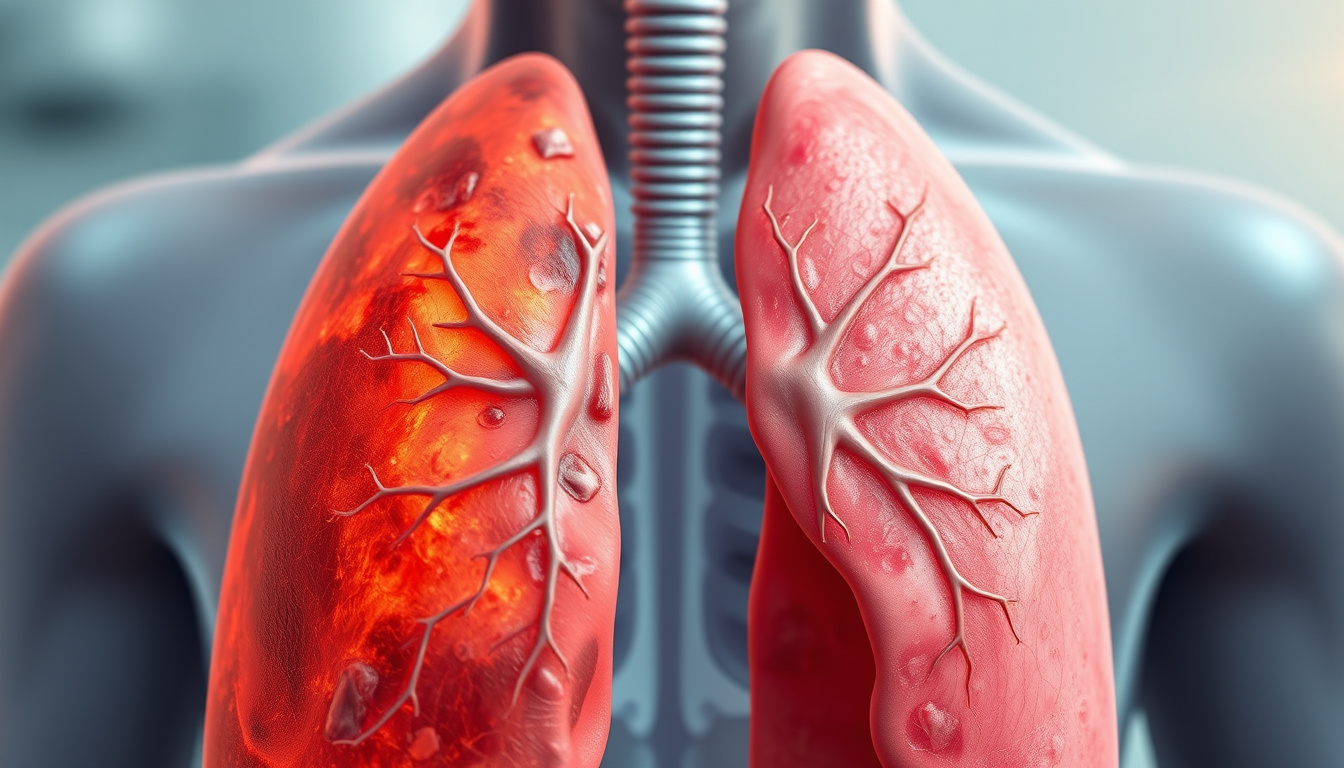
The mechanism behind COPD involves a combination of damaged lung tissue and chronic inflammation. According to Cleveland Clinic, the disease features loss of lung elasticity, inflamed and narrowed airways, destroyed alveoli (tiny air sacs), and thick mucus that blocks airways. Risk factors from World Health Organization include childhood respiratory infections, poorly controlled asthma, and any condition that impairs lung growth.
Non-smokers who develop COPD face the same disease severity as smokers, but often receive delayed diagnosis because clinicians associate the condition primarily with smoking history, according to World Health Organization. This means occupational and environmental risk factors deserve equal clinical attention.
What are the 4 stages of COPD?
The GOLD system (Global Initiative for Chronic Obstructive Lung Disease), initiated by the National Heart, Lung, and Blood Institute and WHO, stages COPD using spirometry—a breathing test measuring how much air you can force out in one second (FEV1) compared to your total lung capacity (FVC). A ratio below 0.7 after bronchodilator use confirms airflow obstruction, as detailed by NCBI StatPearls.
Healthcare providers use the GOLD classification system to communicate disease severity and determine appropriate treatment pathways for patients at each stage.
Spirometry calculations account for age, sex, height, and ethnicity, according to COPD.com. This means the same FEV1 reading could indicate different stages depending on your body metrics—there’s no universal “good” number.
- Stage 1 (Mild): FEV1 ≥80% predicted. Minimal symptoms—often just a cough during exercise, per Healthline. Easy to miss entirely.
- Stage 2 (Moderate): FEV1 50–79% predicted. Shortness of breath becomes noticeable during walking, as documented by Cleveland Clinic. This is often when people first see a doctor.
- Stage 3 (Severe): FEV1 30–49% predicted. Daily activities trigger significant breathlessness. University of Utah Health notes frequent flare-ups, fatigue, ankle swelling, and chest tightness. Hospitalizations may begin.
- Stage 4 (Very Severe/End-stage): FEV1 <30% predicted. Cleveland Clinic describes constant shortness of breath even at rest. University of Utah Health adds severe activity limitation, blue-tinted skin, and reliance on supplemental oxygen.
Understanding COPD stages
The 2019 GOLD report, documented by NCBI StatPearls, simplified the initial assessment by combining spirometry stages with a symptoms questionnaire and exacerbation history into ABCD groups: A (low symptoms/low risk), B (high symptoms/low risk), C (low symptoms/high risk), and D (high symptoms/high risk). This shift helps doctors tailor treatment more quickly. For groups C and D, COPD.com defines high risk as two or more exacerbations in the past 12 months, or at least one hospitalization.
How is COPD diagnosed?
Diagnosing COPD starts with a conversation but relies on objective testing. MedlinePlus outlines the standard process: medical history, family history, physical examination, and—most importantly—spirometry. A post-bronchodilator FEV1/FVC ratio below 0.7 confirms the diagnosis, per NCBI StatPearls. This single number rules COPD in or out.
Patients with unexplained breathlessness should request spirometry testing, as early confirmation enables intervention before significant lung function decline occurs.
How to tell if a person has COPD
Beyond spirometry, MedlinePlus lists additional tests: chest X-ray, CT scan, 6-minute walk test, and alpha-1 antitrypsin blood testing for younger patients or those with a family history. NHLBI notes that chest CT helps identify the extent of lung damage and rule out other conditions like lung cancer or interstitial disease that can mimic COPD symptoms.
Patients who ask about spirometry and receive testing early gain the advantage of starting disease-modifying treatment before substantial lung function is lost, according to NHLBI. Waiting for symptoms to “get bad enough” forfeits that window.
What is the life expectancy with COPD?
This is the question patients and families often ask last but think about first. The honest answer: it depends heavily on stage at diagnosis, smoking cessation success, and how well the disease is managed. Cleveland Clinic notes that COPD is progressive, meaning it tends to worsen over time, but the rate varies enormously between individuals.
How long can someone live with COPD?
Life expectancy correlates most strongly with FEV1 stage and exacerbation frequency. Patients who quit smoking early, stay current on vaccinations (flu and pneumonia), and adhere to maintenance therapies generally fare better than those who don’t. Healthline emphasizes that early-stage diagnosis dramatically improves long-term outcomes because it gives patients time to act before irreversible lung damage accumulates.
Is COPD classed as a terminal illness?
“Terminal” typically implies a prognosis of six months or less—COPD doesn’t fit that clinical definition. However, University of Utah Health confirms that Stage 4 COPD carries significant mortality risk, with many patients requiring oxygen therapy and facing reduced life expectancy. The better framing: COPD is a serious chronic condition that people die with, not exclusively from—but end-stage disease substantially shortens and diminishes life.
Is COPD curable?
No. MedlinePlus is unambiguous: the lung damage that defines COPD cannot be reversed. What treatment can do is slow progression, manage symptoms, improve quality of life, and reduce exacerbation risk. Bronchodilators, inhaled corticosteroids, pulmonary rehabilitation, oxygen therapy, and surgery in select cases all play roles. The goal shifts from cure to management—a meaningful distinction that shapes expectations.
Upsides
- Diagnosable with simple, non-invasive spirometry test
- Disease progression can be slowed significantly with treatment
- Well-established treatment guidelines from GOLD reduce trial-and-error
- Vaccinations help prevent triggering exacerbations
- Early-stage patients often maintain near-normal lifestyles
Downsides
- Irreversible lung damage—nothing can undo what’s lost
- Late diagnosis common, as early symptoms seem normal
- Exacerbations can land patients in the hospital repeatedly
- End-stage requires oxygen and severely limits activity
- Diagnostic access limited in low-resource settings
COPD is a common lung disease causing restricted airflow and breathing problems.
— World Health Organization
The diagnosis is confirmed by spirometry showing FEV1/FVC <0.7 post-bronchodilator.
— NCBI StatPearls
Smoking is the main cause of COPD, though occupational exposures and air pollution also contribute significantly.
For anyone wondering whether their shortness of breath is just aging or something worth checking out, the message from major health authorities is consistent: if you’re experiencing chronic cough, mucus production, or breathlessness that doesn’t match your fitness level, bring it up at your next doctor’s visit. NHLBI notes that early detection opens the door to interventions that genuinely slow the disease down. The worst outcome isn’t a COPD diagnosis—it’s missing one while the damage accumulates.
Related reading: Type 2 Diabetes Symptoms
COPD patients remain vulnerable to pneumonia symptoms and treatment exacerbations from pneumonia, which inflames lung air sacs and impairs oxygen exchange further.
Frequently asked questions
What benefits am I entitled to if I have COPD?
Eligibility for disability benefits depends on your country, disease severity, and work history. In the United States, Social Security Disability Insurance (SSDI) considers COPD cases under respiratory listings. Patients with Stage 3 or 4 COPD, or those with frequent exacerbations requiring hospitalization, often qualify. Check your national social security or disability authority for specific criteria.
Is asthma COPD?
No, though they share symptoms like wheezing and shortness of breath. American Academy of Family Physicians outlines key differences: COPD typically strikes in midlife, causes fixed airway obstruction, and is strongly linked to smoking. Asthma usually begins earlier in life, involves reversible obstruction, and has allergic triggers. Some patients have overlap (asthma-COPD overlap syndrome), but a doctor can distinguish them through history and spirometry patterns.
What is treatment for COPD?
Treatment combines medication, lifestyle changes, and sometimes procedures. Bronchodilators (short- and long-acting) open airways. Inhaled corticosteroids reduce inflammation for patients with frequent exacerbations. Pulmonary rehabilitation programs improve exercise tolerance. Oxygen therapy helps Stage 4 patients. Vaccinations for flu and pneumonia reduce infection risk. In severe cases, lung volume reduction surgery or transplantation may be considered.
Can COPD be managed without medication?
Lifestyle interventions—particularly smoking cessation, pulmonary rehabilitation exercise, and staying current on vaccinations—form the foundation of COPD management. However, most patients require bronchodilator medication to achieve adequate symptom control. The combination approach consistently outperforms either strategy alone, according to NHLBI.
How does COPD affect daily life?
Daily life impact varies by stage. Early COPD may cause minimal disruption. Moderate COPD often limits walking distance, climbing stairs, and vigorous household tasks. Severe COPD affects basic self-care activities. Mayo Clinic notes that breathlessness, fatigue, and frequent infections dominate patients’ experience and drive healthcare utilization.

Thomas Webb leads fact-checking, source verification and corrections at Southern Focus.